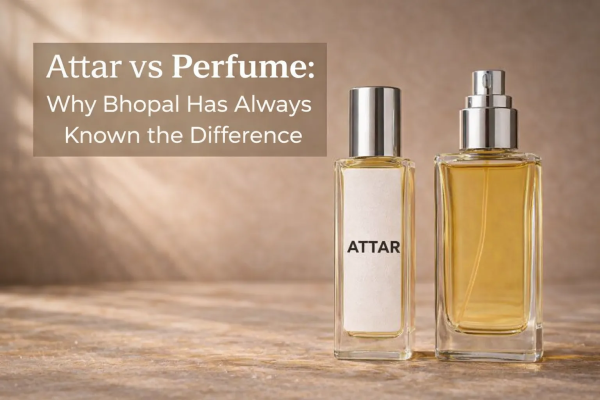

Attar vs Perfume: Why Bhopal Has Always Known the Difference
There is a certain kind of person who walks into a room and the fragrance arrives before they do. In Bhopal, that person probably grew up with attar on their wrists and never felt the need to explain it. The rest of the country is just catching up.
The modern fragrance conversation has gotten very loud. Influencers are unboxing glass bottles from France. Department stores are spraying the same three scents on everyone who walks through. And somewhere in all that noise, a quiet revolution is happening — people are coming back to attar. The real thing. The oil-based, alcohol-free, concentrated perfume that has been sitting on dressing tables in Indian homes for centuries, waiting for the rest of the world to notice.
So let us have an honest conversation about what attar actually is, how it compares to conventional perfume, and why Bhopal has had this figured out since long before the spray bottle existed.
What Is Attar, Exactly?
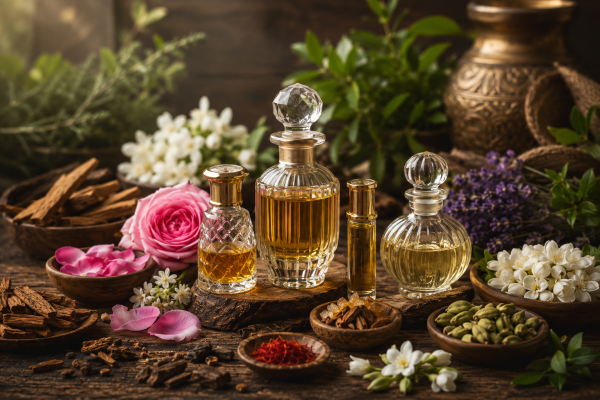
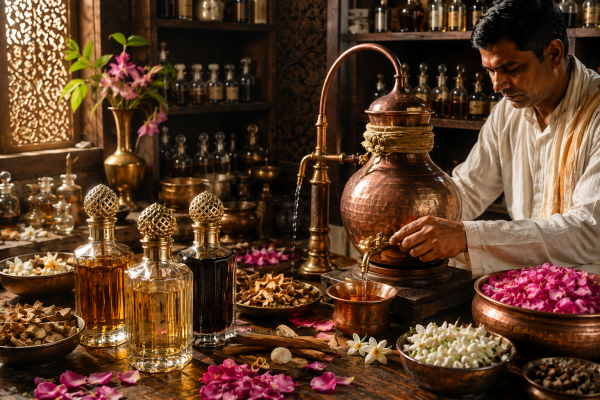
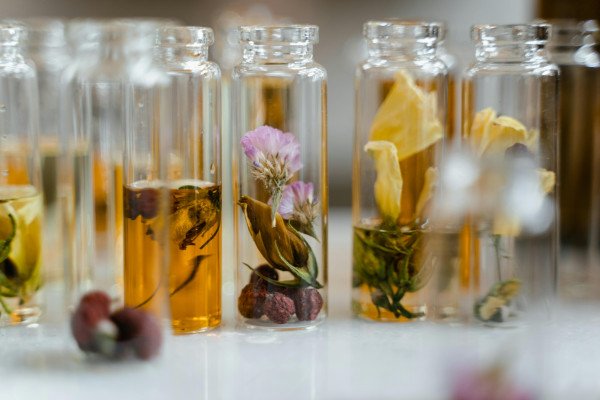
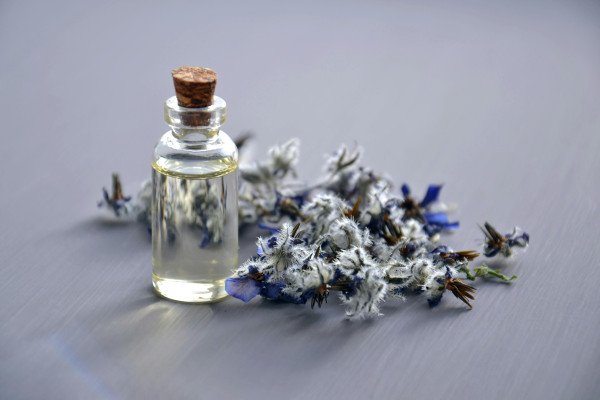
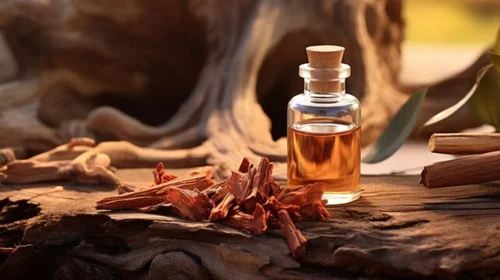
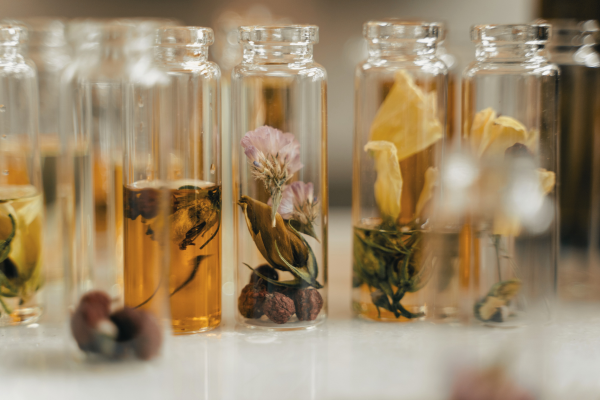
Attar - also written as ittar or itra - is a natural perfume oil extracted from botanical sources. Flowers, herbs, roots, wood, and spices are distilled using traditional methods and captured in a base of sandalwood or another carrier oil. The result is something intensely concentrated, completely free of alcohol, and far closer to the original source than anything in a spray bottle.
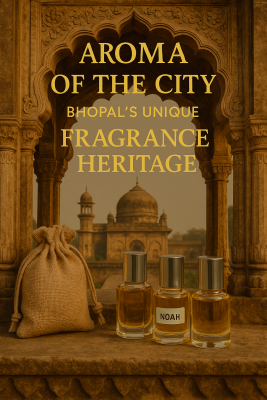
The craft goes back centuries. Kannauj in Uttar Pradesh is considered the perfume capital of India, but cities like Bhopal had their own thriving culture of attar use, in homes, in mosques, at weddings, in the bazaars of Itwara where the smell of khushboo was part of the street itself.
Attar was not a luxury reserved for the wealthy. It was simply how people smelled good, in a way that was natural, skin-safe, and genuinely long-lasting.
What Is Perfume, and Why Did It Replace Attar?
Modern perfume, as most people know it, is a blend of fragrance compounds - natural and synthetic - dissolved in alcohol. The alcohol helps the scent disperse quickly into the air, which is why you smell it the moment someone walks in. The downside is that it also disappears quickly, especially in the heat.
In India, where temperatures regularly cross 40 degrees and humidity is not a myth, alcohol-based perfumes face a structural challenge. They evaporate. The top notes - the first burst of freshness - fade within an hour. What you are left with is either nothing or the dry, slightly medicinal smell of alcohol on warm skin.
Perfume replaced attar in India largely because of perception, not performance. Western fragrance brands came with aspirational packaging, celebrity endorsements, and the implied promise that smelling foreign was smelling successful. Indian consumers bought that narrative for a few decades.
That narrative is now officially over.
The Real Difference: Seven Things Worth Knowing
1. Alcohol vs. Oil
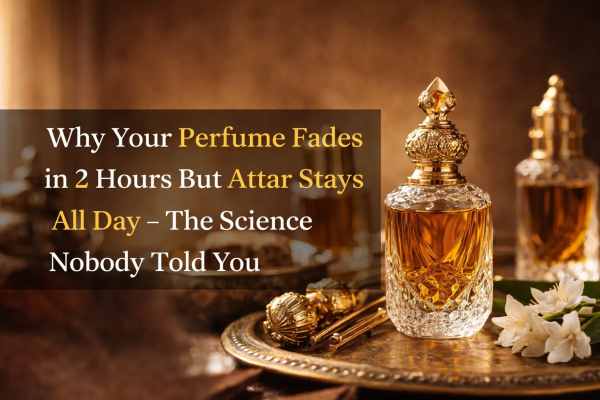
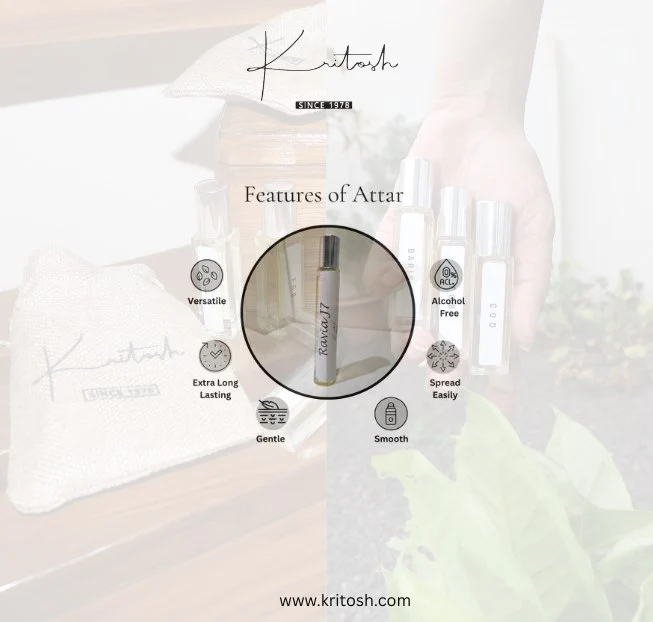
The most fundamental difference. Attar is oil-based. It does not evaporate the way alcohol does, which means the scent develops slowly and stays for hours, sometimes all day. Conventional perfume has 70 to 90 percent alcohol, which is why it fades.
2. Longevity
A small dab of attar on your pulse points - wrists, behind the ears, inner elbows - will outlast most perfumes by three to four hours on average. In Indian summer heat, the gap is even wider.
3. Skin Sensitivity
Alcohol is drying and can irritate sensitive skin. Attar, being oil-based and typically derived from natural ingredients, is gentler. Many people with skin conditions or fragrance sensitivities find that attar works where sprays cannot.
4. Concentration
A standard Eau de Toilette has about 5 to 15 percent fragrance concentration. Attar is typically 100 percent pure fragrance oil. You use one drop where you would use ten sprays. Over time, attar is not just better - it is more economical.
5. Application
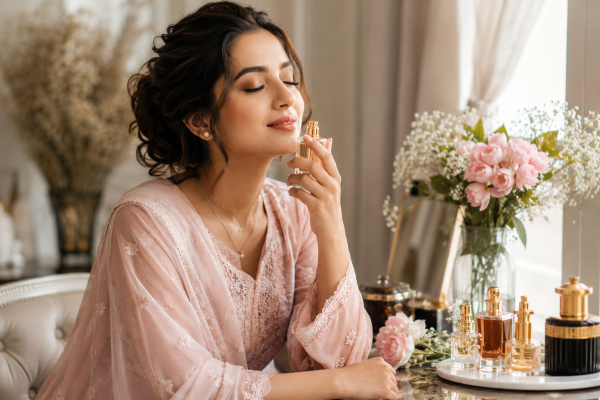
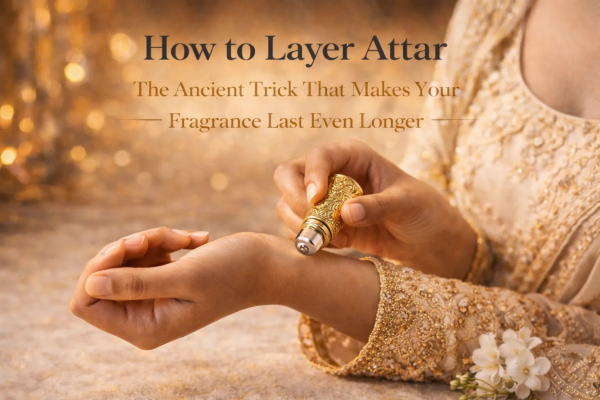
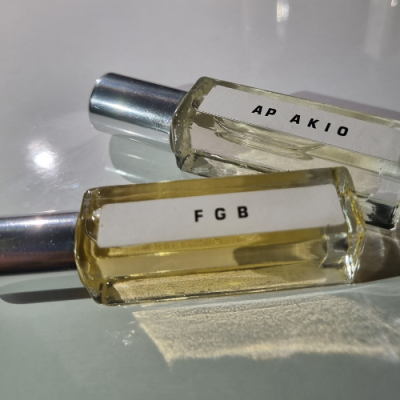
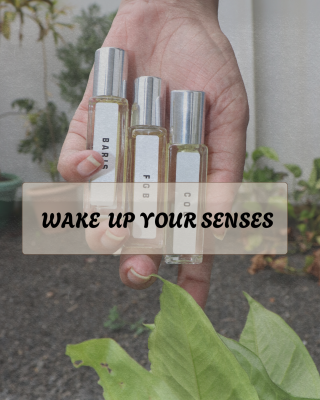
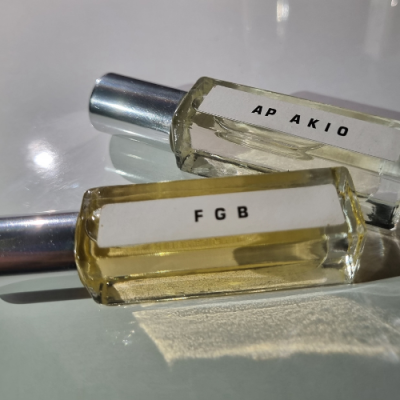
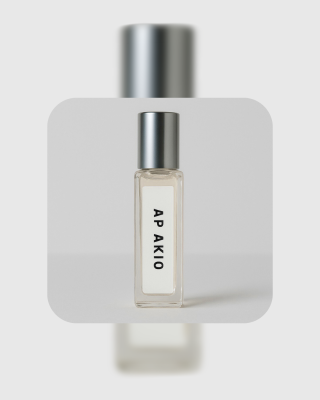
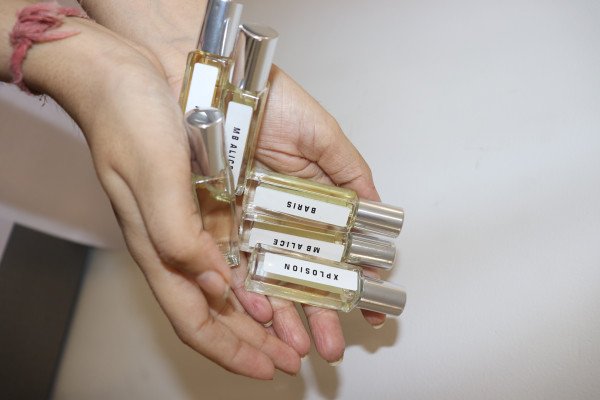
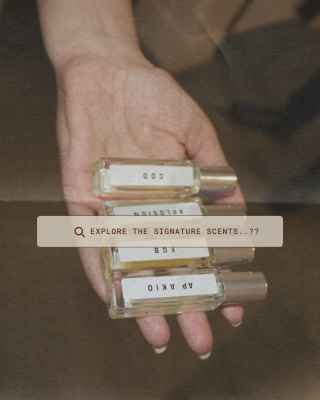
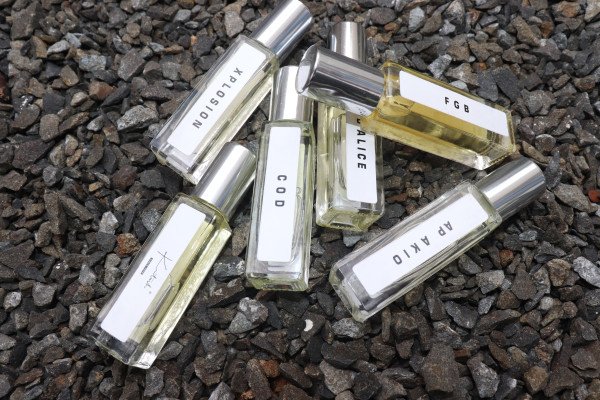
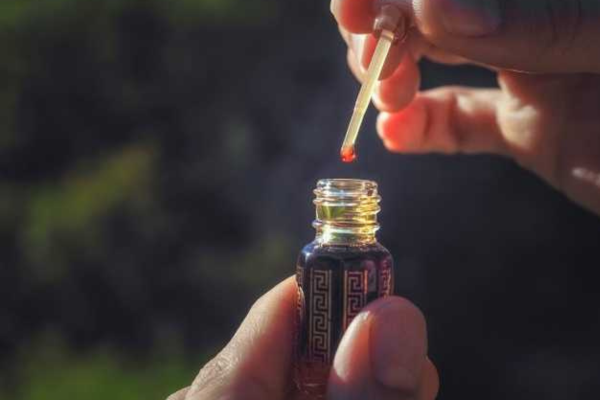
Perfume is sprayed. Attar is applied with a roll-on or dipped applicator, which many people find more intentional and personal. You are choosing exactly where the scent goes and how much you use. There is something quietly satisfying about that.
6. Naturalness
Not all attars are fully natural - modern attar brands often blend natural extracts with safe lab-made molecules to achieve consistency and creativity. But compared to mass-market sprays loaded with synthetic compounds, even blended attars carry a significantly cleaner profile.
7. Character
Perfume performs. Attar reveals. The best attars do not smell the same on every person because they interact with your skin chemistry. They deepen and shift over hours. That is not a flaw; that is the point.
Why Bhopal Understands This Intuitively
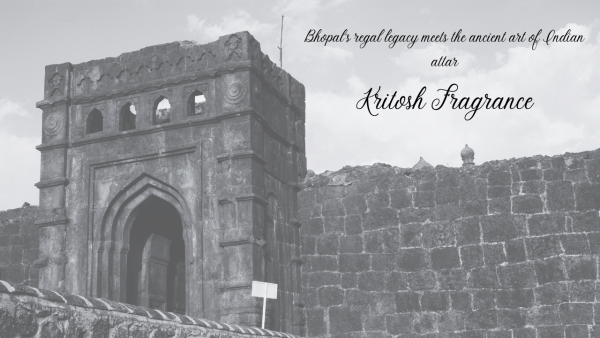
Bhopal has always had a relationship with fragrance that is cultural rather than commercial. The old city, the bazaars near Hamidia Road and Itwara, the Nawabi influence-all of it created a population that understood scent not as a product but as an expression.
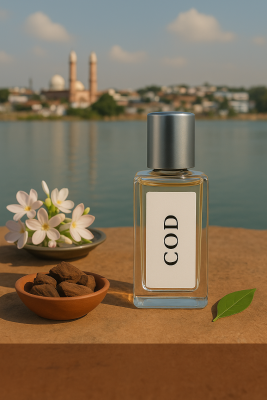
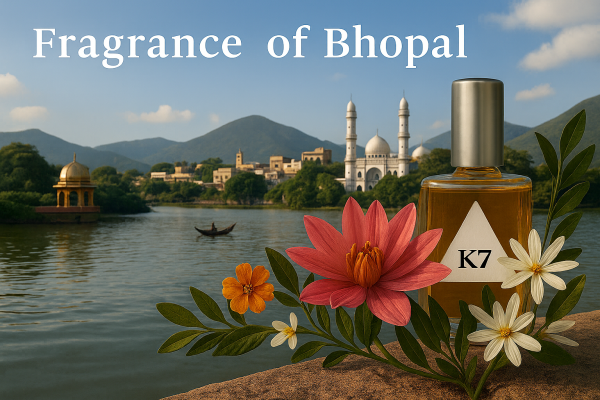
In Bhopal, attar was applied before Jumu'ah prayers. It was gifted at eid. It was present at wedding preparations. The lakeside breeze carries the memory of mitti attar after the first rains of monsoon - something no spray bottle has ever successfully recreated.
That cultural memory is still alive. And it is why Bhopal-based brands that carry this understanding into modern fragrance-not as a nostalgia act, but as a living practice-have something genuinely different to offer.
What Modern Attar Looks Like
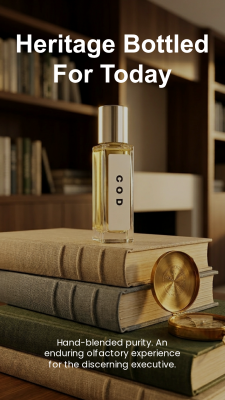
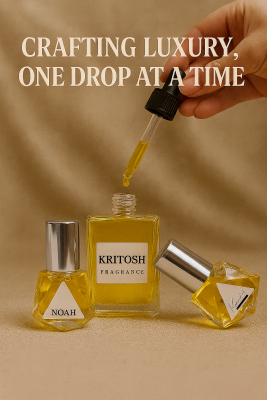
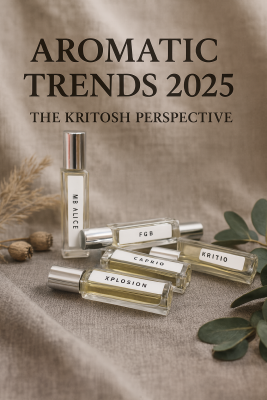
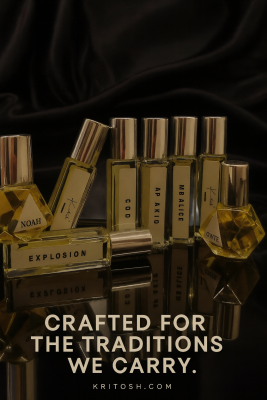
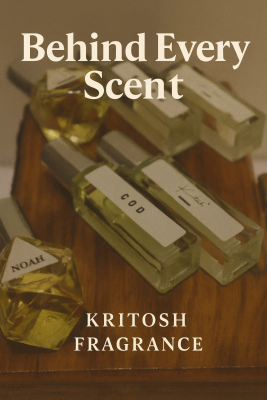
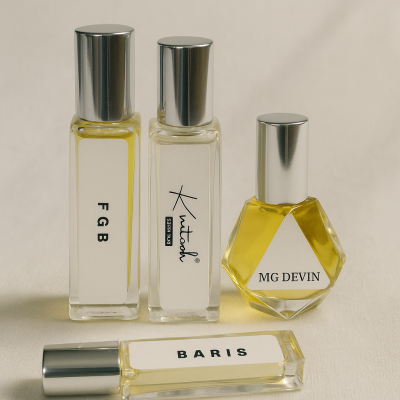
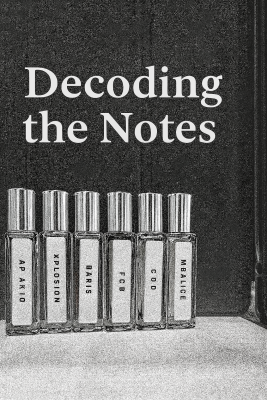
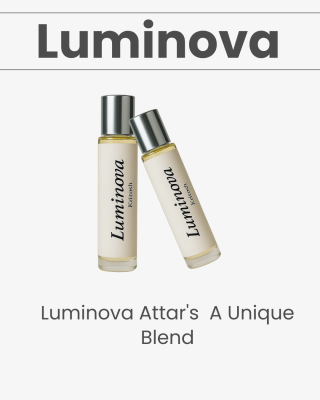
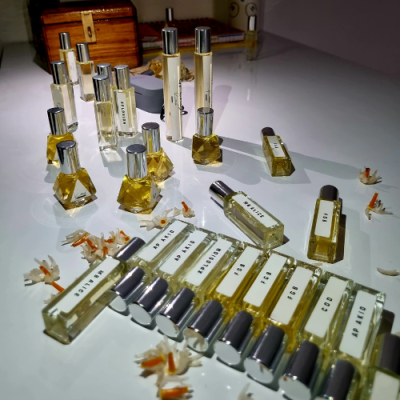
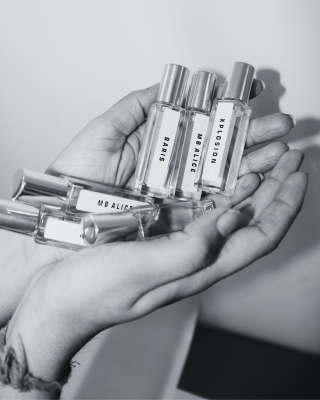
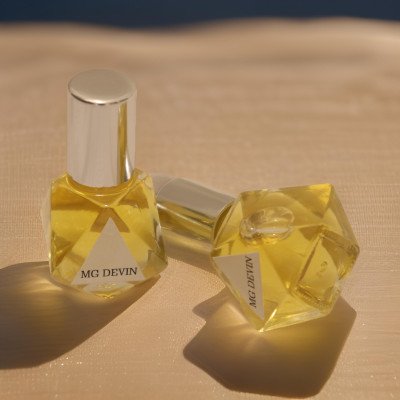
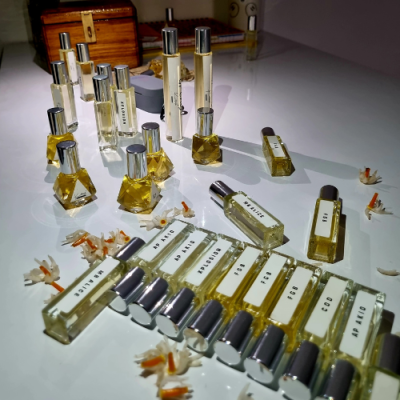
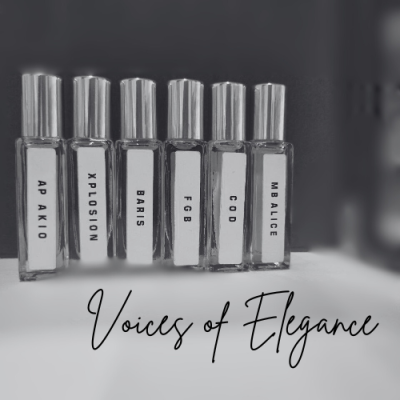
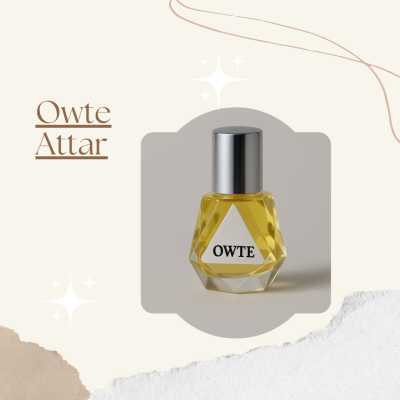
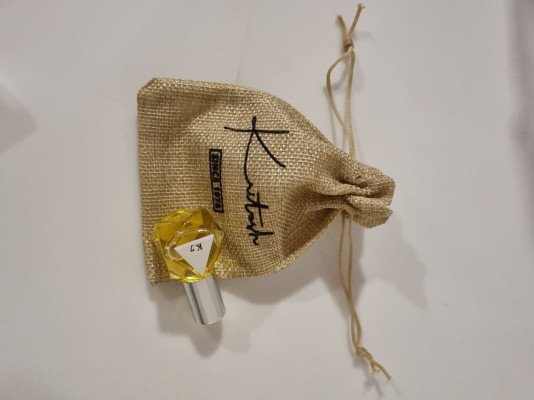
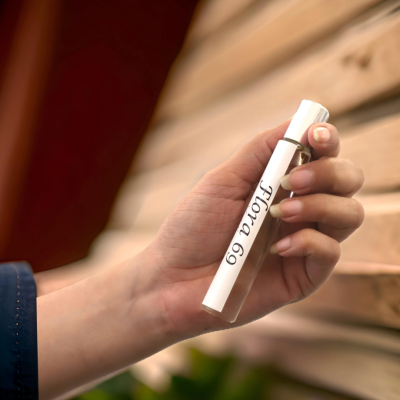
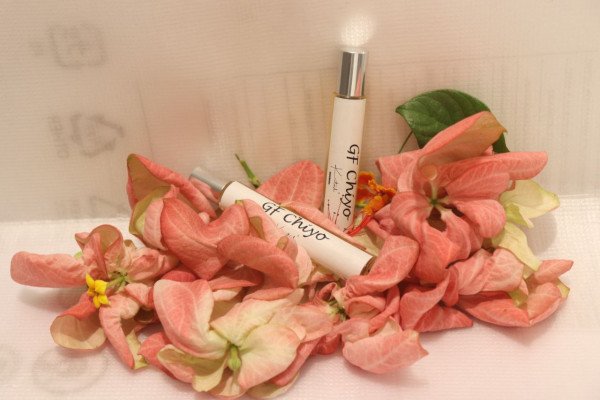
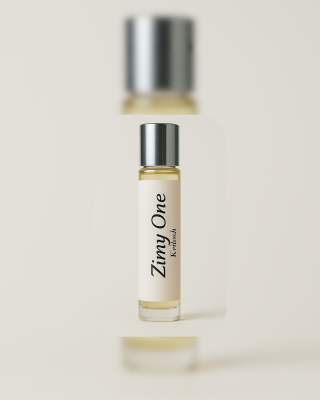
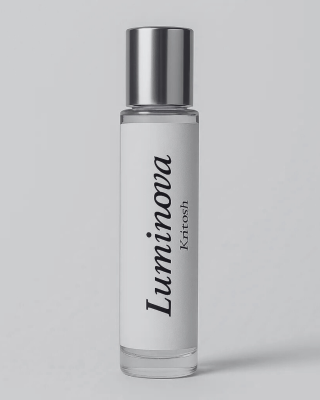
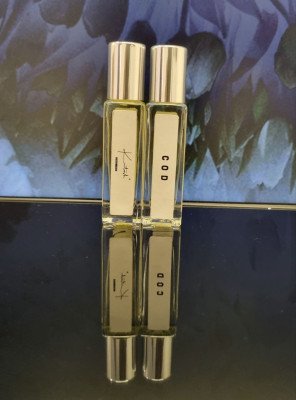
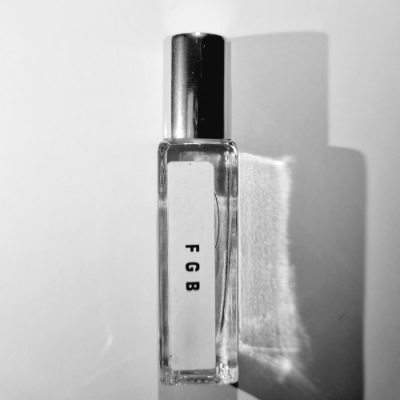
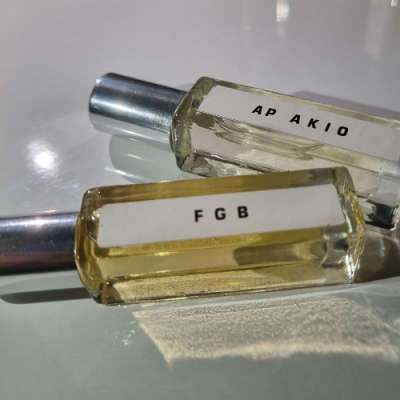
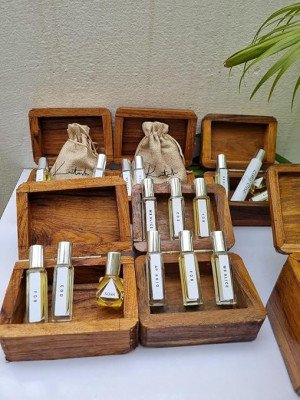
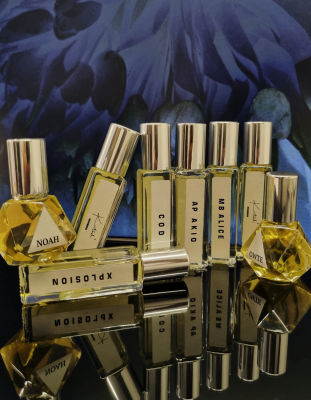
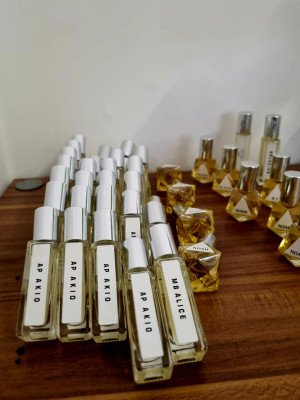
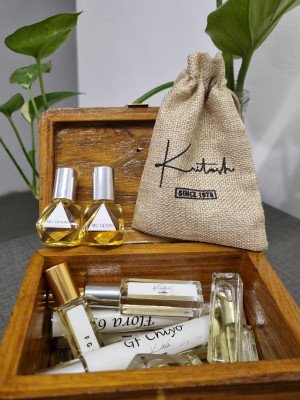
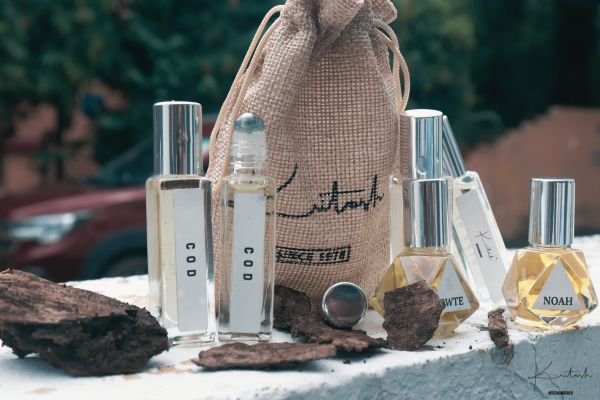
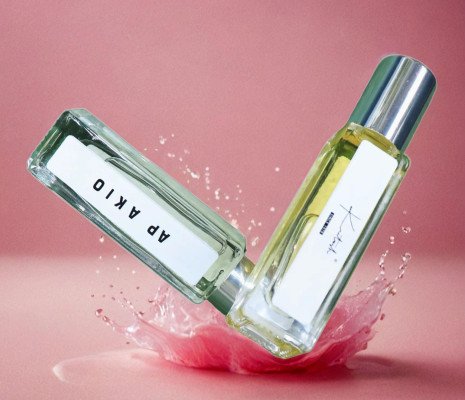
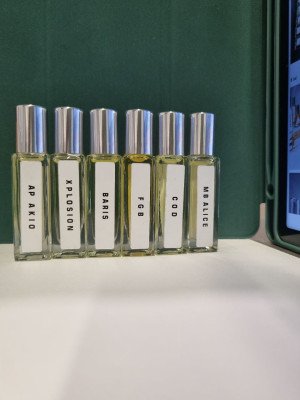
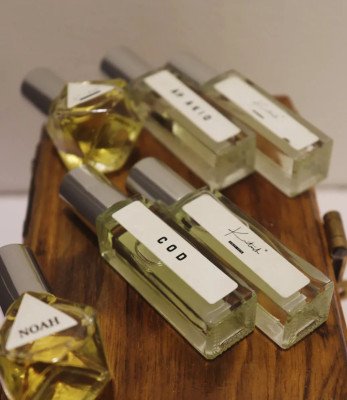
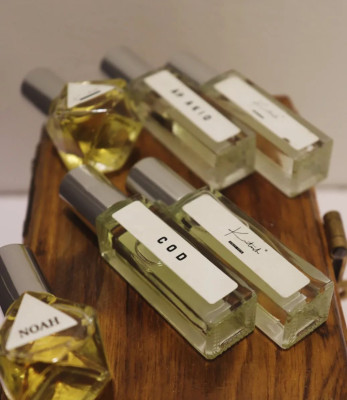
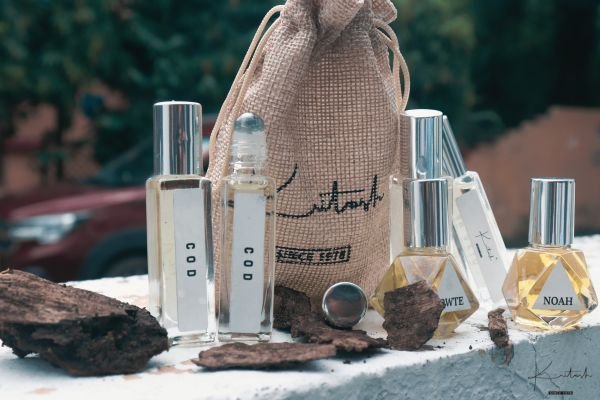
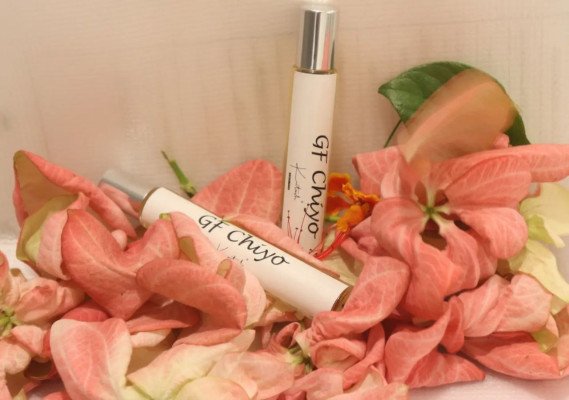
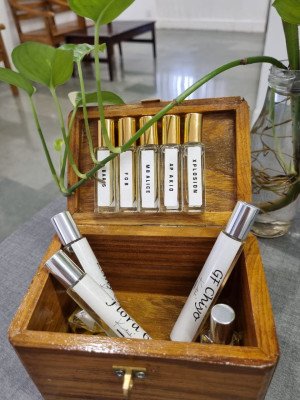
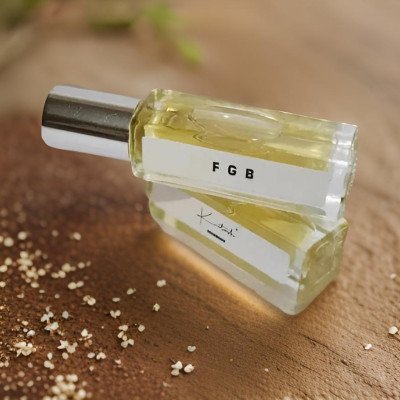
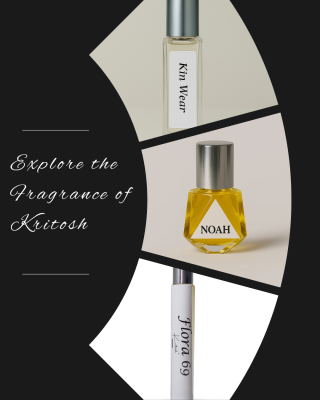
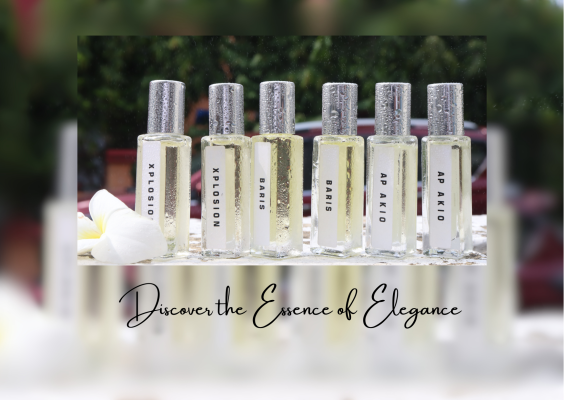
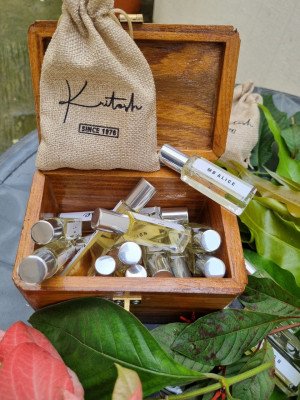
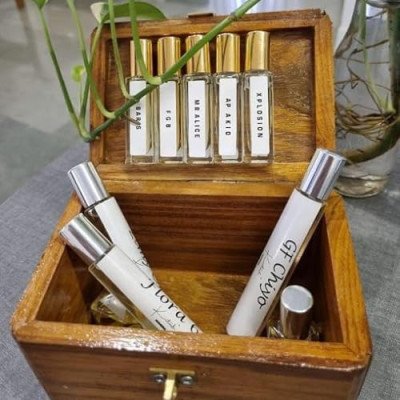
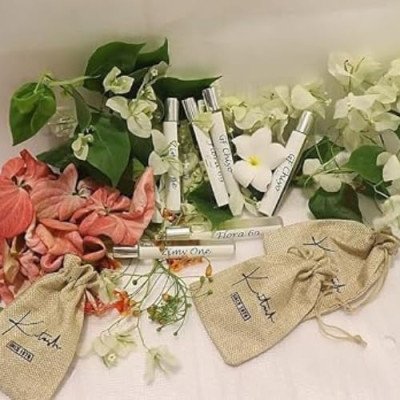
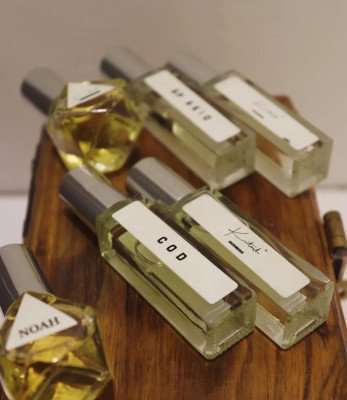
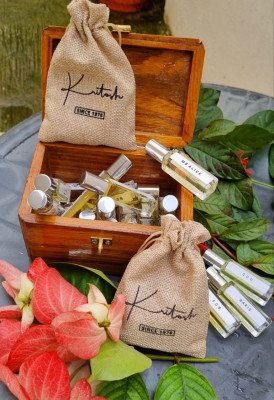
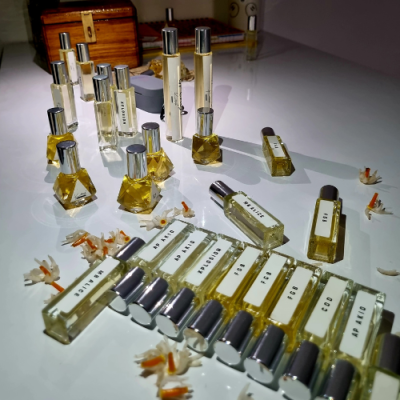
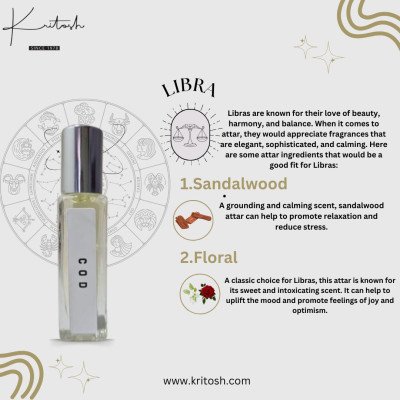
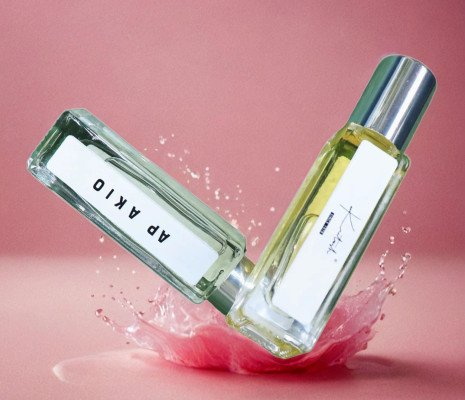
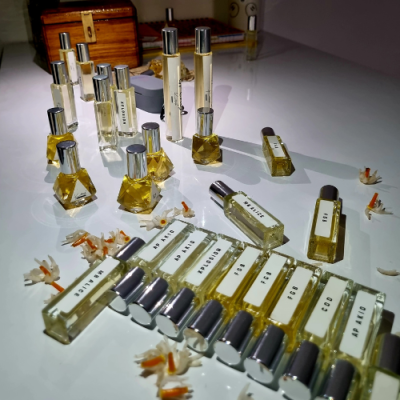
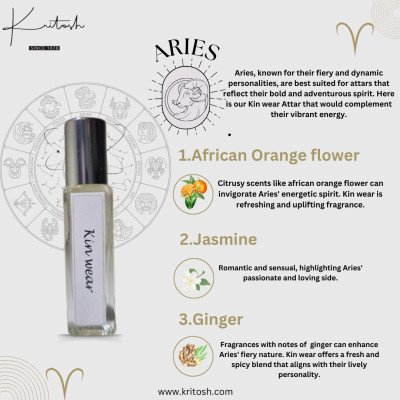
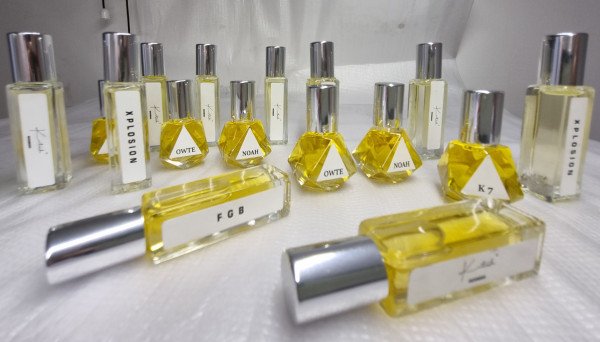
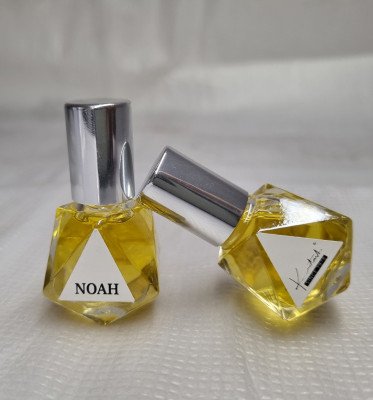
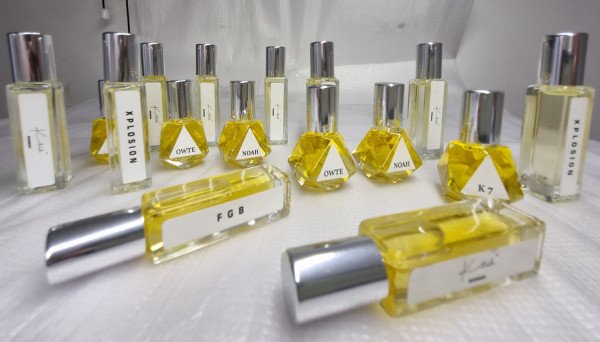
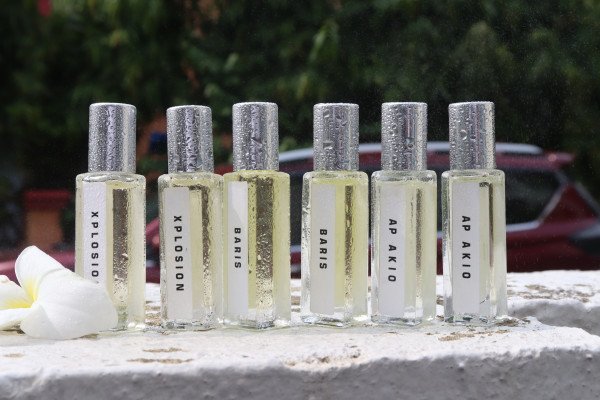
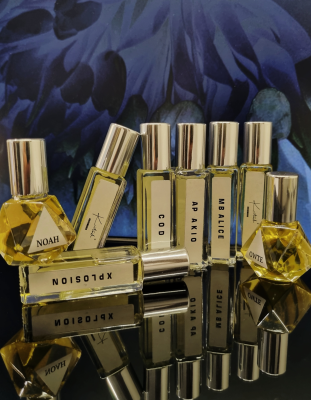
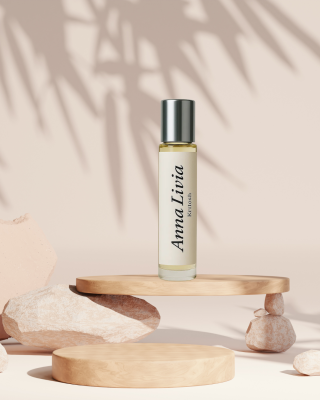
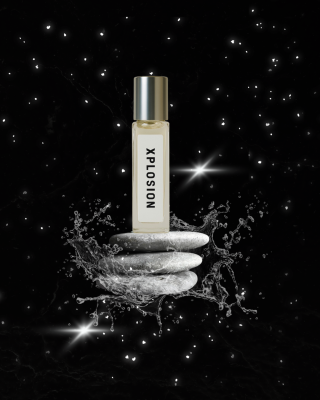
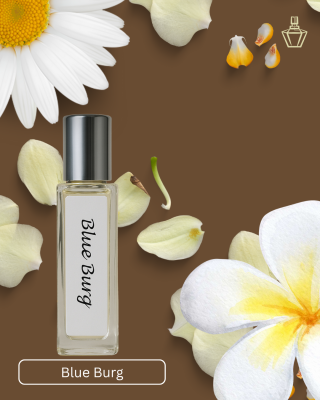
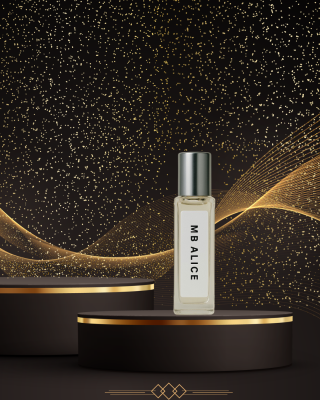
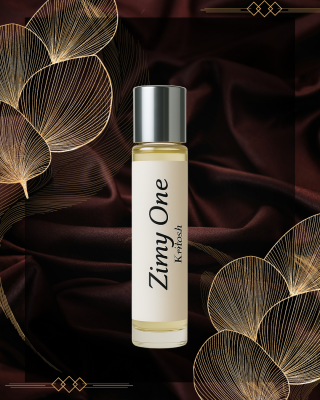
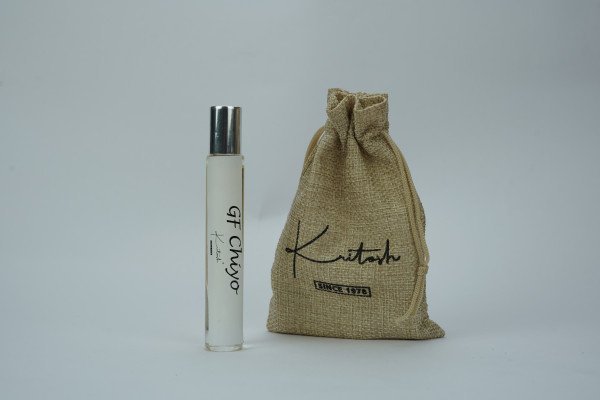
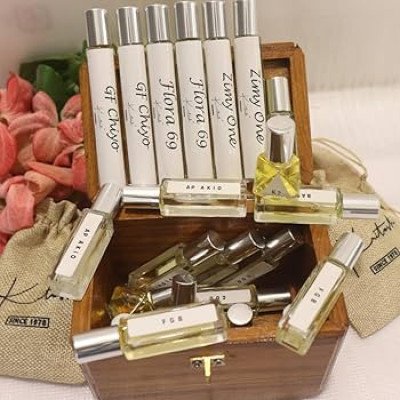
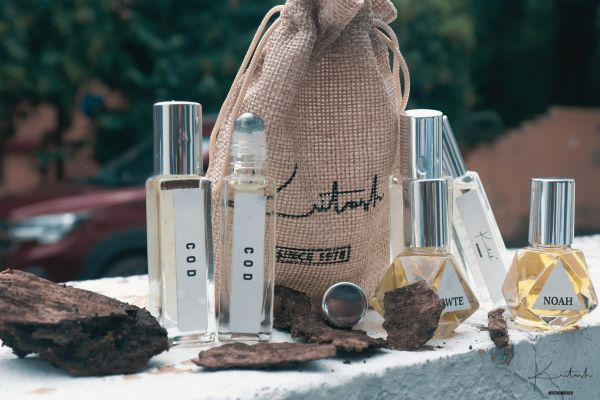
The attar of today is not your grandfather's little glass bottle with the stopper that you were told not to touch. Modern attar brands have invested in clean packaging, roll-on formats for ease of application, blended profiles that go beyond rose and oud, and fragrance families-aquatic, woody, floral, fruity-that speak to contemporary tastes.
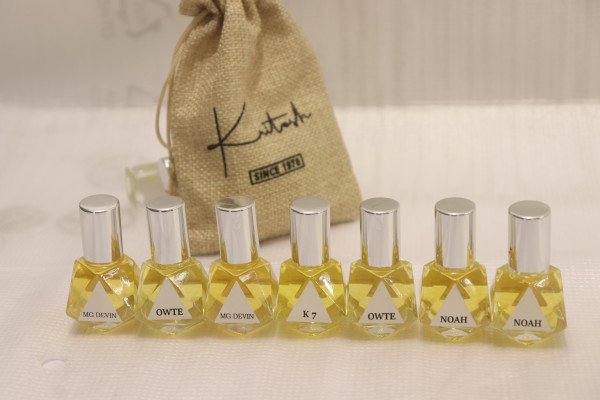
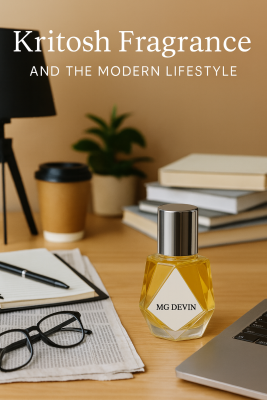
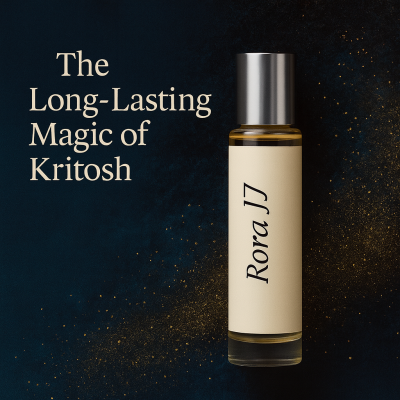
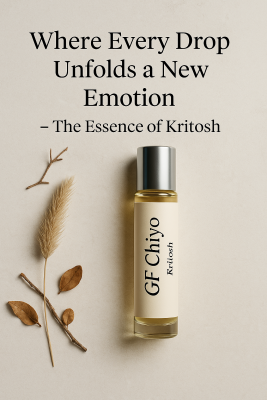
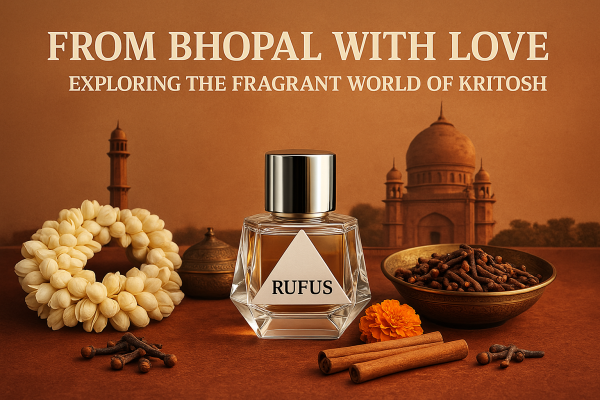
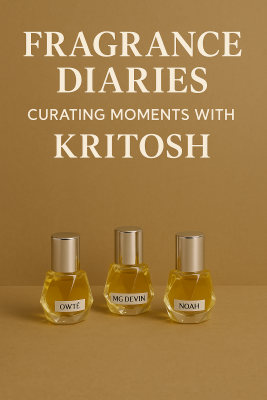
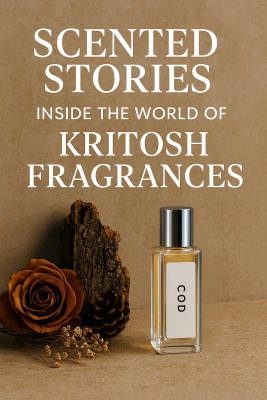
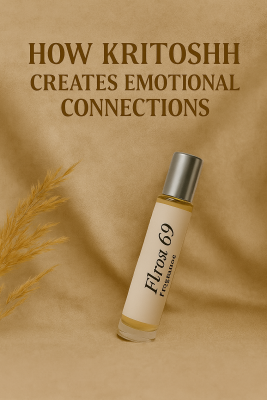
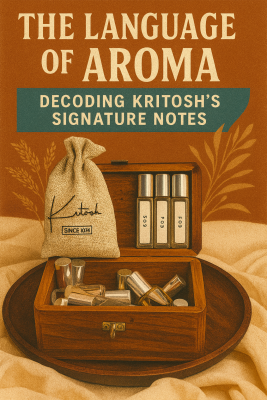
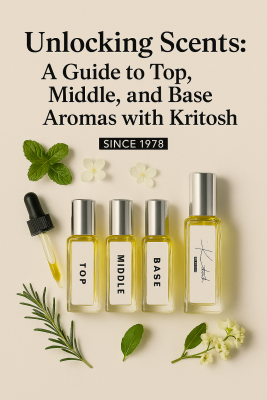
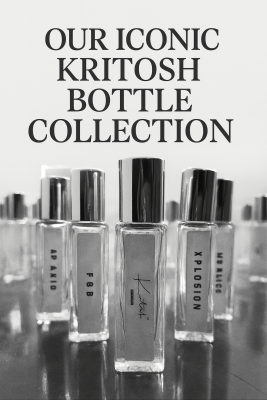
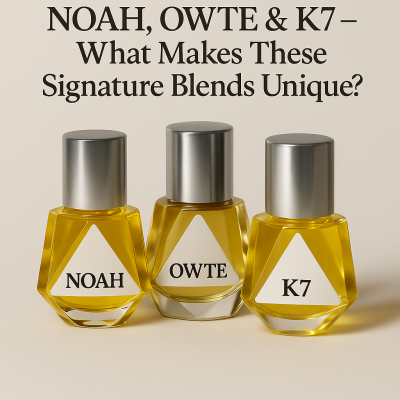
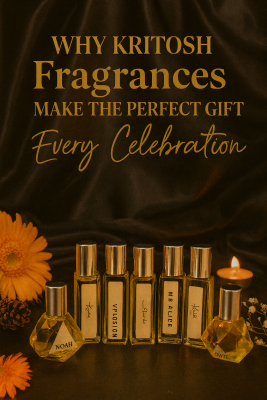
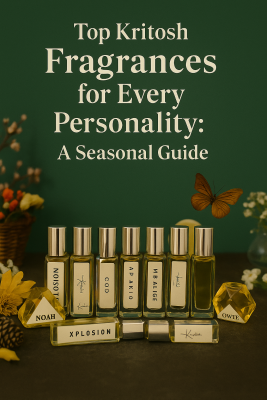
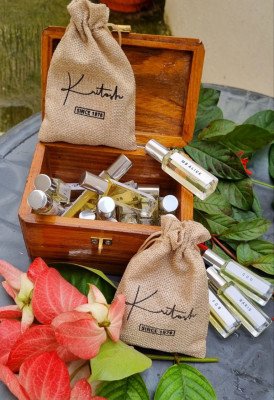
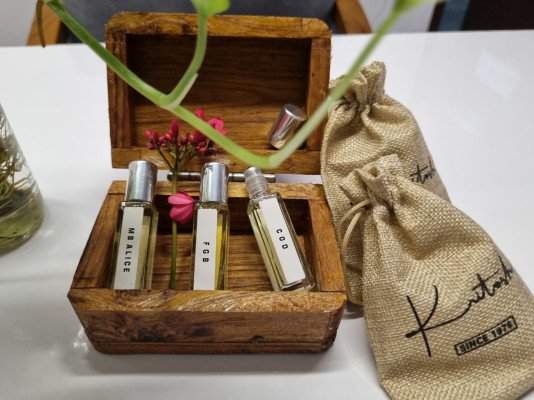
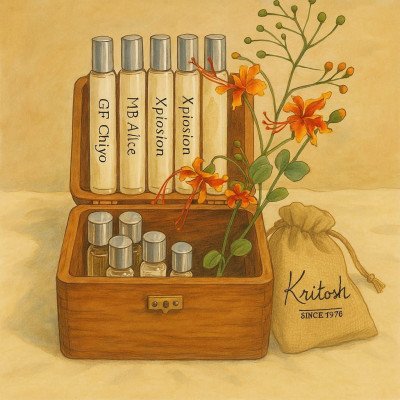
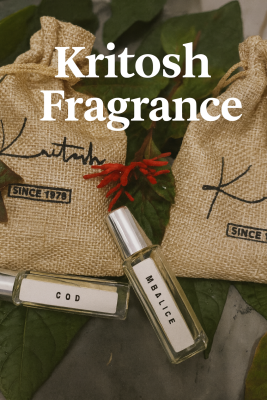
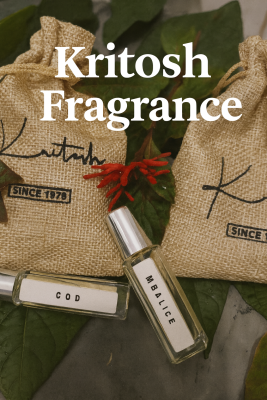
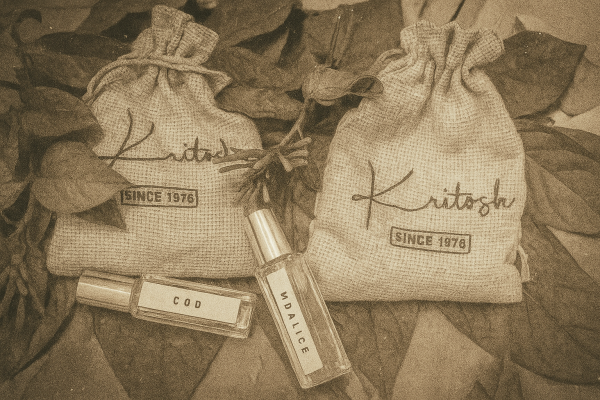
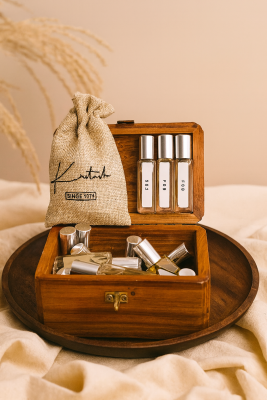
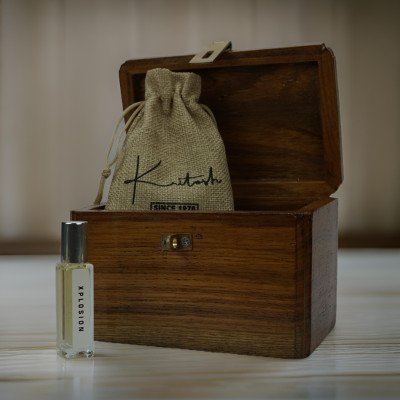
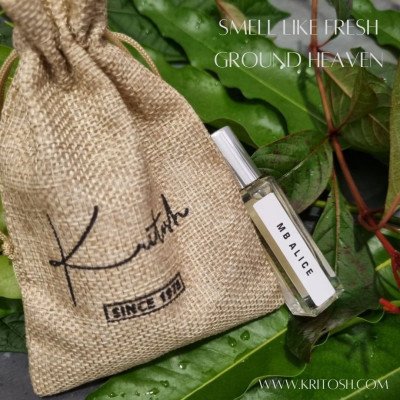
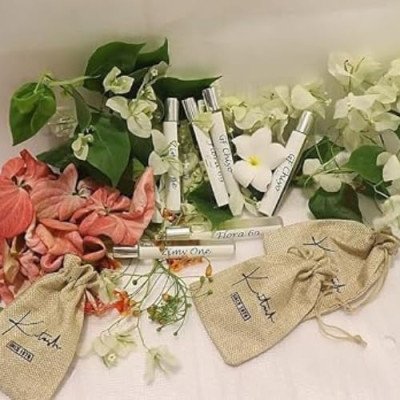
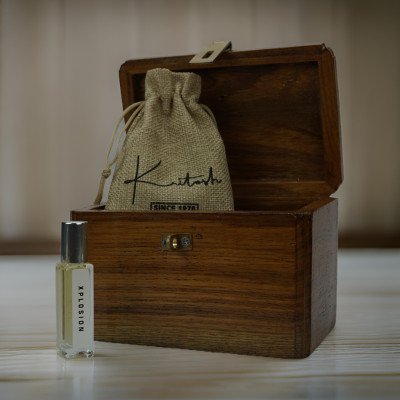
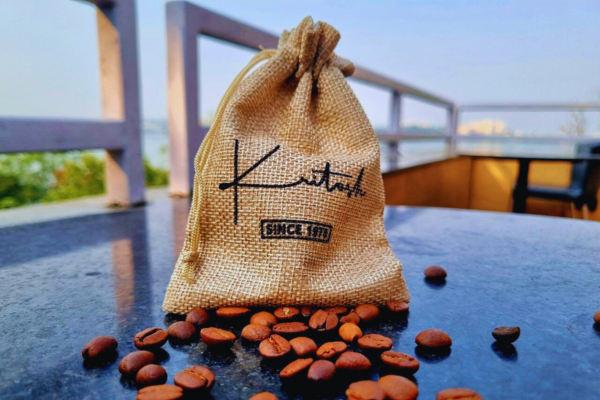
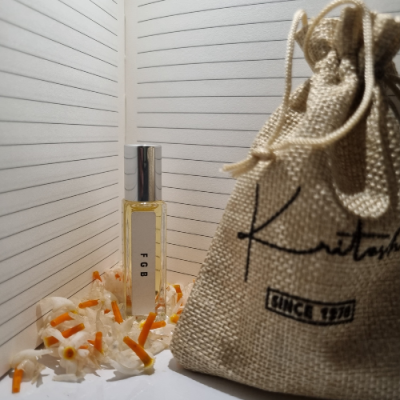
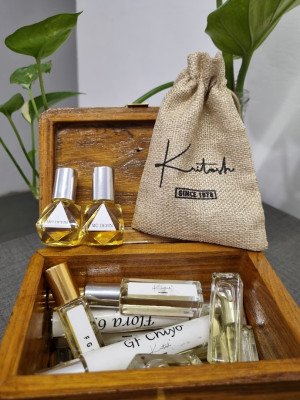
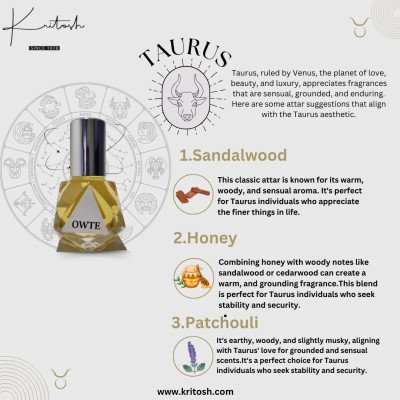
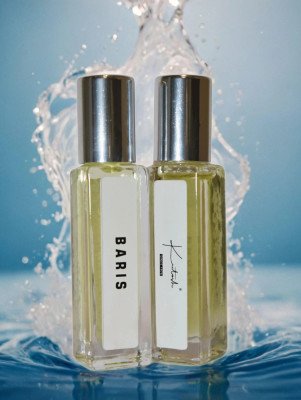
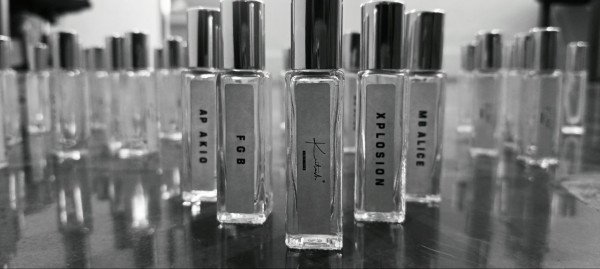
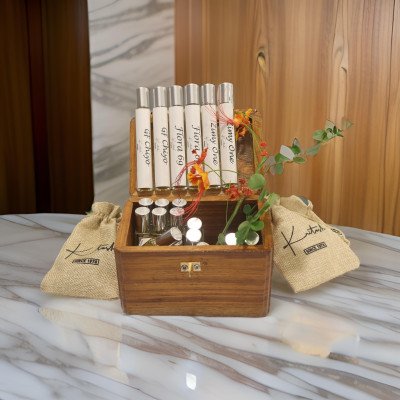
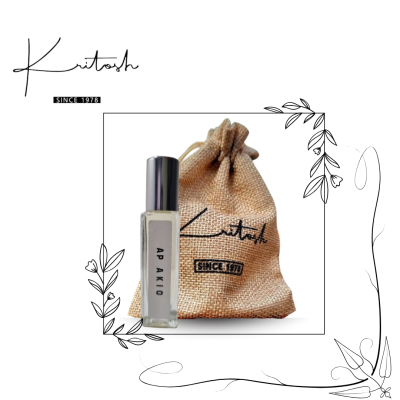
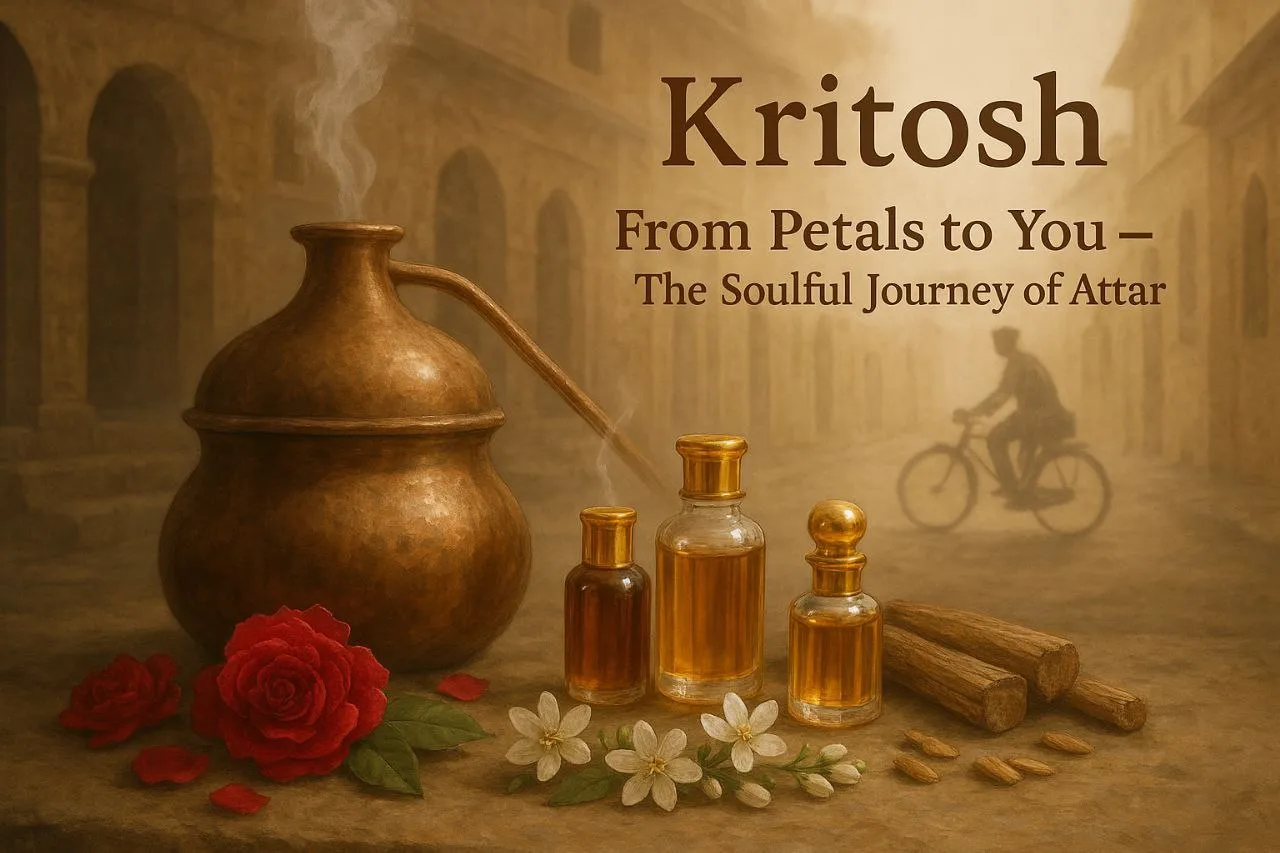
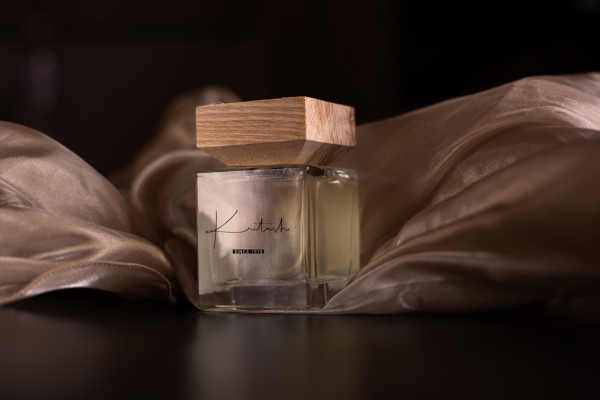
Kritosh Fragrances, which has been crafting scents in Bhopal since 1978, this evolution is exactly what the work looks like. The heritage is real. The bottles are roll-on. The scents are designed for how people actually live-office commutes, evening plans, Bhopal summers, travel.
The attar format with modern sensibility is not a compromise. It is the smartest update the fragrance world has made in decades.
Which One Should You Choose?
There is no objectively wrong answer, but there is a practically better one for most Indian contexts:
If you want something that lasts through a full day in Indian heat, does not irritate your skin, gets more economical per use, and connects you to one of the oldest perfumery traditions on the planet-attar is your answer.
If you need something very specific-like a particular Western designer scent for a formal context-conventional perfume has its place.
But for daily wear, for gifting, for weddings and festivities, for simply smelling like yourself and not like everyone else who walked into the same duty-free shop,attar wins. It is not even close.
Bhopal's Best-Kept Fragrance Secret
The people of this city have known something the rest of India is slowly figuring out: the oldest thing in the room is often the most sophisticated. Attar was not a poor man's perfume. It was the original luxury - crafted by hand, worn with intention, and made to last.
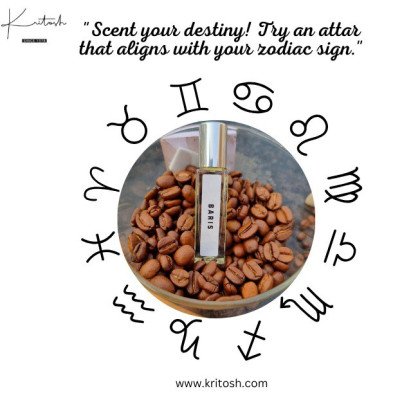
Kritosh Fragrances was built on that knowledge and continues to carry it forward. If you are in Bhopal or ordering from anywhere across India, the collection at www.kritosh.com offers attar in contemporary profiles that respect what the craft has always been.
Try one. Apply a drop. Give it twenty minutes to settle on your skin.
Then tell us it is not better than anything in your current spray collection.